Limestone Sealing Guide for WA Homes
Limestone is soft, porous and everywhere in WA. Why sealing it matters, especially near the coast, what sealer to use, and how often to re-do it.
Should you seal limestone?
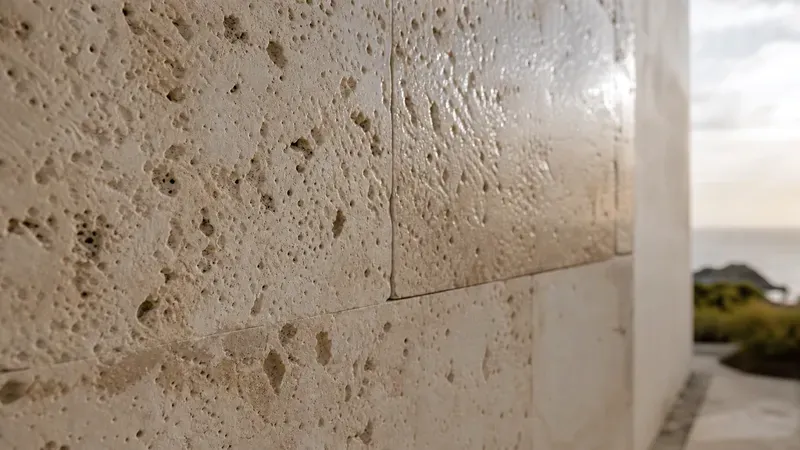
Yes, limestone should be sealed, and on the WA coast it matters more than almost anywhere, because limestone is soft, highly porous and reactive. Sealing protects it from staining, water absorption, salt attack, and the surface crumbling and flaking that untreated limestone suffers. WA homes use limestone everywhere, and unsealed it stains, absorbs water and degrades; sealing keeps it looking good and structurally sound.
Why limestone needs sealing more than most surfaces
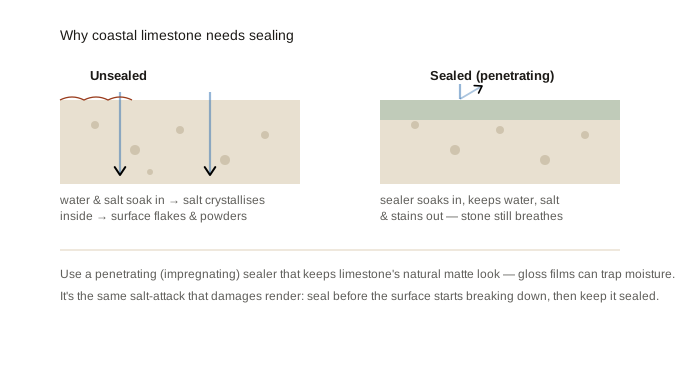
Limestone is a soft, porous natural stone, far more absorbent than concrete or denser pavers. That porosity is exactly why it stains, soaks up water, and is vulnerable to salt: water and salt-laden moisture soak in, and on the coast the salt crystallises inside the stone (the same salt-attack mechanism that damages render; see salt damage on rendered walls), causing the surface to flake, powder and crumble over time. Add bore-water iron staining, oil and dirt soaking into that open surface, and unsealed limestone can look tired and start degrading quite quickly. Sealing closes up the surface so water, salt and stains can't get in as easily.
Liquid limestone vs natural limestone
WA uses both, and they're sealed on the same principle but worth distinguishing:
Natural limestone: quarried blocks and pavers, used for walls, paving and feature work. Very porous, very much wants sealing.
Liquid limestone: a poured concrete product with a limestone look and finish, hugely popular for pool surrounds and paving. It's still porous and benefits from sealing to resist staining, salt and pool-chemical exposure, and to keep its pale colour clean. Around pools especially, sealing also helps it resist the constant wet/salt/chemical environment.
Both stain and degrade unsealed; both last far better sealed.
What sealer, and what finish
Limestone needs a sealer suited to soft, porous, often alkaline stone: the wrong product can fail, discolour or trap moisture. Generally a penetrating (impregnating) sealer is preferred for limestone: it soaks in and protects from within while letting the stone breathe, keeping the natural matte look. This matters because limestone's appeal is usually its natural, pale, matte finish, and a glossy film sealer can look wrong on it and trap moisture in a stone that needs to breathe. For most limestone, natural-look penetrating protection is the right call; high-gloss film finishes are usually not what you want on limestone.
How often to re-seal
Penetrating sealer on limestone wears over time and needs refreshing, more often on high-traffic paving and driveways than on walls, and more often in harsh coastal exposure. As with all sealing, re-do it before the protection wears through rather than after the stone has started staining and degrading. Keeping it sealed is far cheaper than trying to restore limestone that's crumbled, flaked or stained deeply.
The coastal point
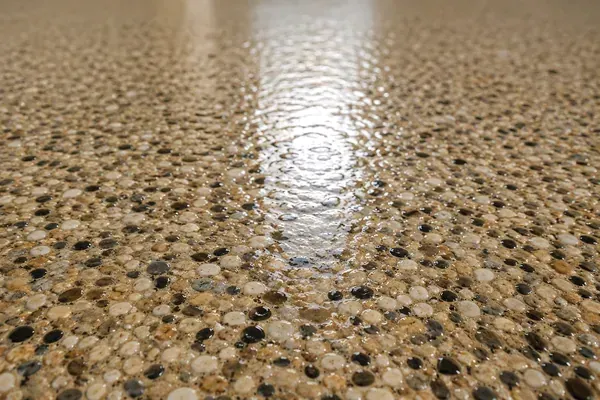
Near the coast, sealing limestone isn't just about stains, it's about salt. Unsealed, porous limestone soaks up salt-laden moisture, and the salt crystallising inside is what causes coastal limestone to flake and powder. Other decorative concrete surfaces common in WA, like exposed aggregate driveways, are porous for the same reasons and need the same sealing discipline. So on a coastal property, sealing limestone is genuinely protective of the stone's integrity, not just its appearance, which is why it's worth keeping on top of rather than leaving until the surface starts breaking down.
Limestone rewards being sealed and kept sealed, especially on the coast. A Salt Coast site visit assesses your limestone, cleans and seals it with a product suited to the stone, and keeps it on a re-seal cycle so salt and stains never get the chance to break the surface down.
Common questions
FAQs
Do you need to seal limestone?
Yes, especially in WA and near the coast. Limestone is soft and highly porous, so unsealed it stains easily, absorbs water, and is vulnerable to salt crystallising inside it and causing the surface to flake and crumble. Sealing closes up the surface against stains, water and salt, protecting both the look and the integrity of the stone.
What's the best sealer for limestone?
Generally a penetrating (impregnating) sealer suited to soft, porous, alkaline stone. It soaks in and protects from within while letting the limestone breathe, and keeps the natural matte look. Glossy film-forming sealers are usually wrong for limestone, they can look artificial and trap moisture in a stone that needs to breathe.
Should liquid limestone be sealed too?
Yes. Liquid limestone (the poured concrete product popular around pools and paving) is still porous and benefits from sealing to resist staining, salt and pool chemicals, and to keep its pale colour clean. Around pools especially, sealing helps it cope with the constant wet, salt and chemical exposure.
How often does limestone need re-sealing?
Periodically, the sealer wears and needs refreshing, sooner on high-traffic paving and driveways and in harsh coastal exposure, later on sheltered walls. Re-seal before the protection wears through, since restoring limestone that's already stained, flaked or crumbled is far harder and more expensive than keeping it sealed.
Why is my limestone flaking and crumbling?
On the coast, usually salt. Unsealed porous limestone soaks up salt-laden moisture, and the salt crystallising inside the stone pushes the surface apart, causing it to flake and powder, the same salt-attack process that damages render. Sealing helps prevent it; once it's badly degraded, the affected stone often can't be fully restored.